Continuous Monitoring vs. Annual Reviews: AI Wins
Continuous Monitoring vs. Annual Reviews: AI Makes the Old Model Obsolete shows why fintech teams need faster risk detection, stronger audit readiness, and ongoing action.

Introduction: Annual Reviews Are Too Slow
Continuous Monitoring vs. Annual Reviews: AI Makes the Old Model Obsolete is not a theory for fintech teams. It is the difference between catching a disclosure issue in week two and finding it in Q4, after the launch has already slipped.
For fast-moving products, the real question is not whether you review compliance. It is whether the review happens soon enough to matter.
That is where continuous monitoring starts to pull ahead.
Comparison Criteria That Matter Most
The comparison comes down to three things: how fast issues surface, whether teams can act on them, and what the model costs in time and headcount.
Those are the things that decide whether compliance slows the business down or keeps up with it.
Regulators care about the same basics too. The CFPB’s Compliance Hub, the OCC’s Consumer Compliance, and the FDIC’s Consumer Compliance Examination Manual all point toward ongoing control, not one annual clean-up.
Speed To Detect Risk
Continuous monitoring catches policy gaps, control drift, and disclosure issues while they are still small.
Annual reviews usually catch them after the fact.
That timing gap matters. A disclosure issue found in January is annoying. The same issue found after launch is expensive.
Actionability For Teams
A good monitoring system does more than flag a problem. It tells the team who owns it, what the next step is, and when it needs to close.
That matters because fintech work spans product, engineering, legal, and compliance. If one team sees a flag and three others wait for direction, nothing gets fixed.
Cost And Resource Fit
Annual reviews can look cheaper on paper because the spend comes in one lump. But they often create hidden costs later: rework, delayed launches, duplicate legal analysis, and emergency remediation.
Continuous monitoring fits lean teams better when the business changes often. It can also reduce the need for a full-time compliance hire that sits idle between issues.
For live rule checks, teams often rely on sources like the CFPB’s Rules and Policy page and the CFPB’s Code of Federal Regulations. That keeps the work grounded in current requirements, not old assumptions.
Continuous Monitoring Wins On Speed
Continuous monitoring is built for businesses that ship often. It helps teams see risk earlier, react faster, and keep compliance from drifting out of sync with the product.
Detect Issues Before They Spread
The biggest win is simple: you catch small issues before they grow.
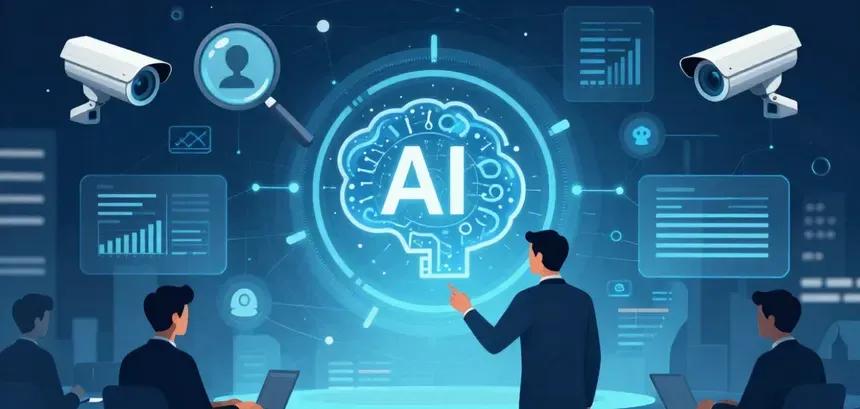
AI can scan transactions, workflow changes, and documentation patterns for warning signs. That might be a missing disclosure, an approval step that got skipped, or a pattern that does not match normal activity.
The NIST AI Risk Management Framework is a good reminder that AI still needs governance. Alerts help. Ownership matters more.
Think about a payments module update. The product team ships the code, but one state disclosure does not get updated at the same pace. If you only review once a year, that gap can sit there for months. Continuous monitoring gives you a chance to catch it early and fix it before it becomes a regulator issue.
Track Regulatory Change Faster
Rules do not wait for your annual review cycle. State expectations shift. Federal guidance evolves. Enforcement themes change.
That is why teams need live sources, not stale checklists. The CFPB’s Supervisory Highlights can surface recurring issues. The FFIEC’s BSA/AML InfoBase helps teams keep pace with financial crime expectations. For state-level movement, the New York DFS Cybersecurity Resource Center is a strong example of how often guidance can shift.
This matters even more for multi-state launches. One new rule or disclosure change can affect timing, legal review, and product scope. Waiting until year-end is a bad bet.
Keep Audit Readiness Warm
Continuous monitoring also makes audit readiness less painful. When evidence is collected throughout the year, the team does not have to rebuild the record in a rush. Policies stay current. Testing logs stay current. Remediation notes stay current.
That means fewer late nights before an exam and fewer awkward board updates.
The FFIEC’s Information Technology Examination Handbook InfoBase is a useful reference here because it shows how much weight examiners put on ongoing control and evidence. If the file is warm all year, the exam is less dramatic.
Annual Reviews Fail When Timing Matters
Annual reviews are not useless. But for a fast-moving fintech, they miss too much.
Expose The Timing Problem
A year-end snapshot only shows what existed at that moment. It does not show the disclosure gap that opened in spring or the control failure that appeared after the last release.
That delay is where the pain starts.
A launch goes live, a gap gets found later, and now product has to pause while legal and compliance clean up the mess.
A common example is a lending or payments change that adds a new feature but misses an updated disclosure path. The issue may look minor in isolation. In practice, it can delay the rollout, trigger internal frustration, and draw regulator attention.
The CFPB’s Supervision and Examination Manual makes the timing point pretty clear. Examiners care about how well a firm manages risk over time, not whether the annual file review looked tidy.
Show The Hidden Costs
Annual reviews also hide a second problem: they make the business pay later. Engineering ends up reworking code. Legal gets pulled into repeated analysis. Compliance has to rewrite policies, evidence files, and testing notes. The same issue gets handled in three places instead of one.
That is not efficiency. It is cleanup.
Annual reviews can also create a false sense of safety. If the business launches new products every quarter, a once-a-year review is already behind. The file may look fine. The operating reality may not be.
How To Choose The Right Model
The right model depends on how fast your business changes and how much risk you carry. Budget matters, but operating tempo matters more.
Match The Model To Risk
Continuous monitoring is the better fit when your product changes often, your team is lean, or you operate across multiple states. It gives you a chance to catch issues while they are still fixable.
A lighter annual review may still work for a stable, low-risk program with few changes. But even then, it should not be the only check in the system.
A simple test helps:
- Do product changes happen every month?
- Do you launch in multiple states?
- Do you have enough internal compliance depth?
- Would a late discovery slow revenue?
If the answer to most of those is yes, annual review alone is too thin.
Decide Based On Execution Needs
The best choice is the one that fits your operating rhythm. If you only need to identify issues, software may be enough.
If you need someone to own follow-up, keep documentation current, and coordinate across teams, you need more than software. You need operational support.
That is the real split: find issues versus fix issues.
Most fintechs do not fail because they lack alerts. They fail because nobody owns what happens after the alert.
Conclusion: The Smarter Compliance Rhythm
For fast-moving fintechs, continuous monitoring beats annual reviews because it finds risk sooner and keeps the work alive all year.
But alerts only help when someone turns them into action. That is why the stronger model is monitoring plus ownership.
FAQs
Q: Can AI replace compliance teams?
A: No. AI can help scan data and surface patterns faster, but it cannot replace judgment, escalation, or regulator-facing decision-making.
Q: Does continuous monitoring remove annual reviews?
A: No. It reduces the risk of finding major gaps too late, but formal reviews can still play a role in a mature program.
Q: How often should fintechs test controls?
A: If the business changes often, testing should happen throughout the year. Waiting until one annual cycle is too slow for active product teams.
Q: Can smaller companies afford fractional CCO support?
A: Yes. For many smaller teams, fractional support is more realistic than a full-time senior hire. It gives them access to senior judgment without permanent overhead.
Q: What should continuous monitoring track?
A: It should track rule changes, disclosures, control exceptions, exam themes, enforcement actions, cybersecurity changes, and state-by-state licensing shifts.
Q: Is software the same as advisory support?
A: No. Software flags issues. Advisory support helps interpret them, prioritize them, and close them out in a way the business can use.