AI Governance Scorecards for Fintech Vendors: 7 Steps
Learn how to use AI Governance Scorecards to evaluate fintech vendors with clarity. This guide covers criteria, weighting, red flags, and approval workflow.

Introduction
AI vendors move fast.
Fintech policy usually does not.
That gap is where teams get burned. Ad hoc reviews, legal checklists, and generic procurement forms miss the real risks, especially when a tool affects customers, decisions, or records. This guide shows you how to build AI Governance Scorecards that give product, legal, security, and compliance teams a cleaner way to compare vendors before approval.
Why Scorecards Matter
The vendor risk problem
A
I vendors can create model risk, privacy issues, bias, weak explainability, and audit headaches. The annoying part is that many of those risks stay hidden during the sales cycle.
They show up after the pilot starts.
A team gets excited by the demo. The tool looks polished. Everyone assumes the hard part is done. Then someone asks how the model was trained, how updates are logged, or how the vendor handles a regulator question, and the room goes quiet.
That is how a “quick win” turns into a cleanup project.
One vendor review can turn into weeks of rework if the team never asked the basic questions up front. And in fintech, those missed questions do not stay theoretical for long.
What scorecards fix
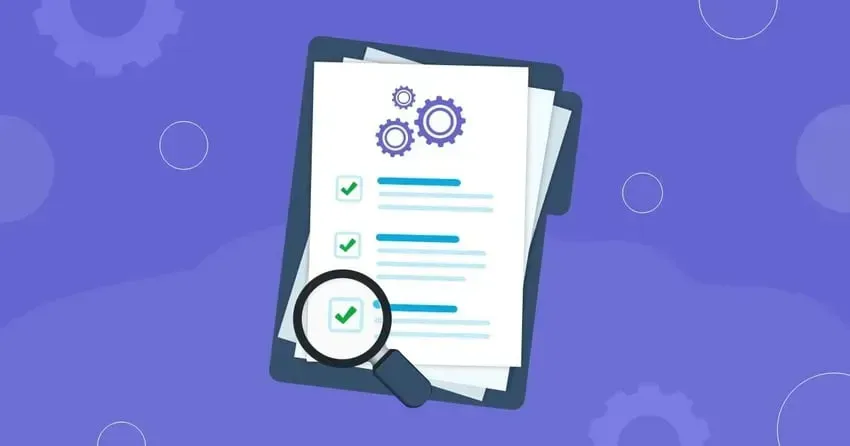
A scorecard beats a gut check because it gives you a repeatable way to compare vendors side by side. It also keeps the review from turning into five different opinions with no shared logic.
That consistency matters across product, legal, security, and compliance.
Without it, one team cares about speed, another cares about records, and another wants no extra work. Nobody has a clean way to decide what matters most. A scorecard forces that conversation into the open.
A good starting point is the NIST AI Risk Management Framework, plus the practical steps in the NIST AI RMF Playbook. Those resources help you define categories instead of just collecting answers.
Where fintech teams use them
Fintech teams can use AI Governance Scorecards for customer service chat tools, fraud models, underwriting support, document review, marketing review, and internal knowledge assistants. The use case changes the risk, but the review structure stays familiar.
That matters because regulated workflows need speed, not shortcuts.
A scorecard helps the team move faster while still keeping a clear decision trail for board questions, audit requests, or regulator follow-up. It also helps people stop arguing about vibes and start comparing evidence.
If the tool touches consumer decisions, the bar goes up fast.
The CFPB’s AI page is a useful reminder that consumer-facing AI can draw attention even when it looks harmless inside the business.
Build Your Criteria
Step 1. Define use case and scope
Start with the exact use case before you score the vendor.
A tool for internal drafting is not the same as a tool that influences account opening, underwriting, or customer support decisions. Those are different risk profiles, and they should not be treated like they are the same thing.
Write down who uses it, what data it sees, and what it changes.
Then decide whether it affects customers, employees, regulated decisions, or internal operations. If the answer is fuzzy, stop and fix that first. A vague scope leads to a vague scorecard, and that usually means a bad decision later.
Scope matters because it changes the weight of privacy, fairness, security, and human oversight.
A narrow internal tool may need light governance review. A customer-impacting tool needs tighter controls, better records, and more pressure-testing before anyone says yes.
Step 2. Set governance criteria
Next, score the vendor on model transparency, documentation quality, update control, and human review options.
You want to know how the tool works, when it changes, and who can step in when it gets something wrong.
Ask direct questions:
- What data trained the model?
- What are the output limits?
- Can users override or escalate results?
- How are version changes logged?
- What happens when the model is retrained?
Also ask whether the vendor can support audit trails over time. If they cannot show change logs, usage logs, and decision history, the scorecard should reflect that gap.
For fintechs that use models in decision-making, the Federal Reserve’s model risk management guidance is a useful reference point. It helps teams think about validation, monitoring, and control ownership.
This is also where a fractional CCO can save a lot of back-and-forth. A senior compliance leader from Comply IQ can help define the scoring rubric, pressure-test weak spots, and spot issues before a vendor gets approved. That is useful when legal wants proof, product wants speed, and procurement just wants the deal to close.
Step 3. Add compliance criteria
Now add compliance impact.
For fintechs, that means consumer protection, privacy, recordkeeping, third-party risk, and product-specific rules tied to the use case. If the tool touches regulated workflows, compliance is not a side note. It is part of the decision.
Common questions include:
- Does the tool support adverse action logic?
- Could it affect disclosures or marketing claims?
- How does it handle complaints?
- What records does it keep?
- Who reviews outputs before they reach customers?
This is where a lot of teams get too optimistic. If the vendor sounds strong but cannot explain how the tool behaves in a regulated process, the scorecard should show that weakness clearly.
Consumer-facing tools can also pull in privacy obligations.
The California Consumer Privacy Act page is one example of why data handling and retention need to be part of the score, not an afterthought.
Step 4. Include security and data controls
Security belongs in the scorecard too.
Score data retention, encryption, access controls, incident response, and subcontractor management.
Those are not separate concerns. They are part of the same risk picture.
Ask whether the vendor can segregate client data and avoid unnecessary model training on sensitive inputs. Also ask for written commitments around breach notification and data deletion. If a vendor is loose with data language, that usually shows up elsewhere too.
If the vendor cannot explain its data flow in plain English, that is a warning sign.
The CISA and UK NCSC secure AI guidance is a good reference when you want to pressure-test secure design, not just check a box.
Score Vendors Side by Side
Step 1. Assign weights
Not every category deserves the same weight.
A customer-impacting use case should carry more governance and compliance weight than a low-risk internal drafting tool. That sounds obvious, but teams skip this part all the time and then wonder why the final ranking feels off.
A simple 1–5 scale works well if leaders can actually use it.
Red, yellow, and green can also work for faster reviews, but the scoring logic has to stay consistent. The point is not to build a perfect math model. The point is to make a decision that people can defend later.
A practical weighting model might look like this:
- Customer impact: 30%
- Compliance and legal: 25%
- Security and data controls: 20%
- Governance and explainability: 15%
- Operational fit: 10%
The exact mix should reflect the business risk, not the vendor’s pitch deck.
Step 2. Compare evidence, not promises
A demo is not proof.
Score vendors on what they can show, not what they say in a meeting. That sounds simple, but it is where a lot of teams drift into wishful thinking.
Request artifacts such as:
- Policies and control summaries
- Sample reports
- Security certifications or audit summaries
- Model cards or validation summaries
- Change logs
- Incident response plans
- Customer references tied to regulated use cases
Then score the quality of the documentation, not just whether the documentation exists. Is it current? Specific? Clear? Or is it vague enough to sound polished without saying much?
This is also where outside resources help.
The NIST AI Resource Center is useful for testing and validation ideas, and the FTC AI hub plus the FTC AI industry page are helpful when a vendor makes broad claims about safety, fairness, or compliance.
If the marketing sounds too clean, slow down.
The SEC’s enforcement action on misleading AI claims is a reminder that AI hype can create real legal risk.
Step 3. Add operational fit
A vendor can look strong on paper and still be a mess in practice.
Score implementation timeline, support responsiveness, internal workload, and integration effort. That part matters more than teams want to admit, because a clunky rollout can create as much risk as a weak control.
Look at how the vendor will actually fit into your work.
Does it match your Jira workflow, your Slack escalation path, your Notion or Confluence documentation, and your legal approval process? If not, the team will spend too much time translating the process instead of using it.
That is the part teams skip when they move too fast. You should also tie this step to third-party risk expectations. OCC Bulletin 2023-17 is useful because it frames the full relationship lifecycle, not just the initial yes-or-no decision.
Red Flags to Watch
Hidden governance gaps
Watch out for vendors that dodge questions about training data, retraining frequency, or human review.
If they keep saying “proprietary,” that is not an answer. It is a dodge. Proprietary does not remove accountability. It just means your team has less visibility into how the system behaves.
Flag weak ownership too.
If the vendor cannot tell you who owns model updates, escalation, or failure handling, the score should go down fast. A serious vendor should be able to show how it tracks changes and who signs off on them.
Compliance and legal blind spots
Legal blind spots usually show up in the contract.
Look closely at data processing terms, broad indemnity exclusions, subcontractor controls, and any limits on audits or regulator questions. Those clauses matter more than glossy product claims, because they tell you how the vendor behaves when something goes wrong.
A vendor that cannot support examinations or evidence requests can become a long-term headache.
That matters in fintech, where consumer protection and privacy questions can surface quickly and take time to unwind.
When claims sound bold, verify them.
Public sources, trust centers, customer references, and regulatory pages can help you separate real
controls from sales language. FINRA’s AI resource page and FINRA Regulatory Notice 24-09 are good reminders that existing supervision and recordkeeping duties still apply when new AI tools enter the stack.
Scorecard mistakes to avoid
Do not let the demo drive the decision.
Demo polish, low price, and a long feature list do not tell you whether the vendor can survive a real review. A slick presentation is nice. It is not evidence.
Another common mistake is letting procurement run the process without compliance input.
That usually creates checkbox theater, where every field is filled in but nobody checks whether the evidence actually supports the score. The form looks complete. The risk review is not.
The fix is simple: no score without proof.
If a category matters, there should be a document, log, policy, or reference behind it. If there is no proof, the score should not look healthy just because someone wants the deal to move.
Operationalize the Framework
Put it in the workflow
Do not keep the scorecard in a spreadsheet that no one opens. Build it into intake, security review, legal review, and final approval. If the scorecard sits outside the actual process, people will ignore it when they get busy.
A simple ownership model works well:
- Product defines the use case.
- Security reviews data and system controls.
- Legal reviews terms and risk allocation.
- Compliance scores regulatory fit.
- Procurement tracks status and documents.
Store the scorecard, evidence, and final decision in a shared workspace.
That makes renewals, audits, and future reviews easier because the history is already in one place. It also keeps people from re-asking the same questions every six months.
Review vendors regularly
AI Governance Scorecards should not be one-and-done.
Re-score vendors when the use case changes, the model updates, the vendor changes subprocessors, or you enter a new market. Those shifts can change the risk profile fast, and the original score may no longer be accurate.
You should also revisit the scorecard after an incident or a regulatory update.
Ongoing monitoring matters just as much as selection, especially when the tool is already embedded in a live process. If the vendor changes how it uses data, the score should change too.
That is the point of having a living review, not a static form.
Use it as a board-ready artifact
A good scorecard can become a short decision memo for executives or board advisors. The memo should explain the use case, the scoring logic, the main risks, the mitigation plan, and why one vendor was selected over another. Keep it plain and direct. Nobody wants to read a five-page mystery.
That gives leaders a clean way to defend the choice.
It also helps if a board member asks why the team did not pick the cheaper option. A clear scorecard
makes that conversation a lot easier.
Over time, this kind of record supports audit readiness, licensing support, and ongoing compliance monitoring as the business scales.
For fintech leaders who need senior judgment without adding full-time headcount, that is where a fractional CCO model becomes more than a nice-to-have.
Conclusion
AI Governance Scorecards help fintechs choose vendors with more clarity, speed, and defensibility.
The strongest scorecards combine governance, compliance, security, and operational fit instead of leaning on demos or gut feel. They also give teams a better story when the board, auditors, or regulators ask how a decision got made.
If you are building a rubric now, apply it before the next vendor review.
FAQs
Q: What is an AI Governance Scorecard?
A: An AI Governance Scorecard is a structured way to evaluate AI vendor risk, controls, and fit. It works better than an unstructured questionnaire because it creates repeatable scoring and clearer vendor comparisons.
Q: How do fintechs weight criteria?
A: Weight the scorecard based on customer impact, data sensitivity, and regulatory exposure. High-risk use cases should carry heavier governance and compliance scores than low-risk internal tools.
Q: Who should own the scorecard?
A: Ownership should be shared across compliance, legal, security, procurement, and product. One person should coordinate the process and keep the evidence trail organized so the review does not get messy.
Q: What evidence should vendors provide?
A: Ask for security reports, policies, model documentation, incident response plans, subprocessors, and references tied to similar regulated use cases. Proof matters more than promises, especially when the tool affects customers or regulated decisions.
Q: How often should it be updated?
A: Update the scorecard when the use case changes, regulations shift, the vendor materially updates its model, or renewal comes around. AI governance is ongoing, so the scorecard should evolve with the risk.
Q: What if a vendor refuses to share details?
A: Treat that as a risk signal, not a minor inconvenience. If the vendor will not explain how the tool works or how it is controlled, the scorecard should reflect that gap clearly, and the team should think hard before moving forward.
Q: Can one scorecard work for every AI tool?
A: No. The same structure can be reused, but the weights and questions should change based on the use case. A chat assistant, a fraud model, and a document review tool do not carry the same risk, so they should not get the same score.